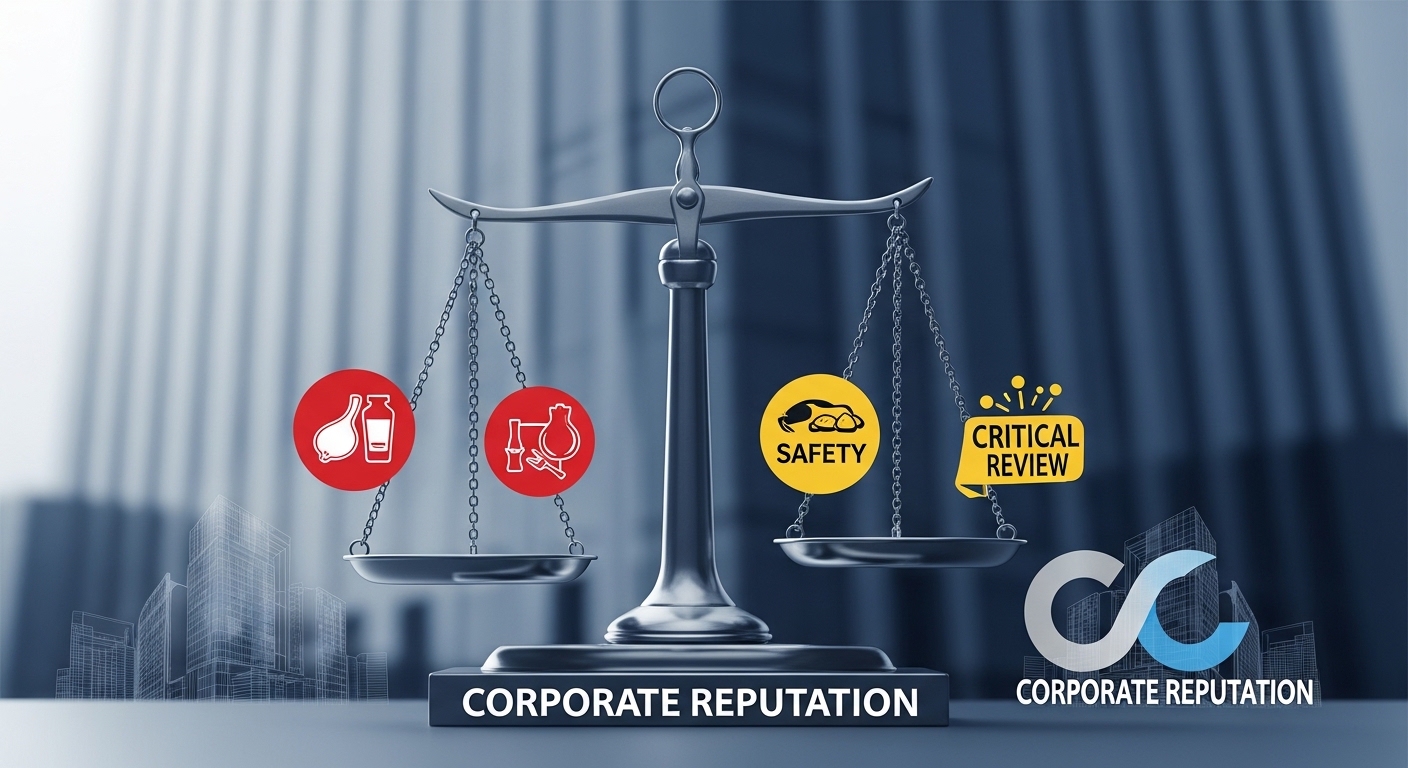
THE LEGAL QUAGMIRE OF ONLINE CONSUMER REVIEWS
The Legal Quagmire of Online Consumer Reviews in Nigeria
BALANCING FOOD SAFETY, FREEDOM OF EXPRESSION, AND CORPORATE REPUTATION IN NIGERIA
Love Dooshima v. Bon Bread as a Case Study
Abstract
The intersection of consumer protection, food safety regulation, freedom of expression, and defamation law has become a pressing legal frontier in Nigeria’s digital age. This article examines a recent controversy involving a content creator who posted a video review of a loaf of bread that purportedly remained fresh for over two months without spoiling, raising concerns about preservatives used in commercial baking. The bakery in question responded with a demand for ₦50 million in damages and a police complaint, leading to the creator’s brief detention. This article uses the incident as a springboard to analyse the broader legal framework governing consumer reviews in Nigeria. It explores the elements of defamation and the challenges of proving “reference” in an anonymous review, the constitutional protection of consumer speech under Section 39 of the 1999 Constitution, the regulatory mandates of the National Agency for Food and Drug Administration and Control (NAFDAC) and the Federal Competition and Consumer Protection Commission (FCCPC), the proper limits of police powers in civil disputes, and the growing concern over Strategic Lawsuits Against Public Participation (SLAPPs). The article argues that while businesses have a legitimate interest in protecting their reputation, the current legal environment in Nigeria creates a chilling effect on consumer speech and undermines public health discourse. It concludes by offering recommendations for legal reform, regulatory clarity, and the development of anti-SLAPP protections.
1. Introduction
In April 2026, a Nigerian content creator, Ms. Love Dooshima, posted a video on TikTok in which she displayed a loaf of bread that, according to her, had remained fresh for two months without spoiling. She did not mention any brand name, show any logo, or display any identifiable packaging. The video went viral, amassing millions of views and sparking widespread public discussion about food safety and the use of preservatives in commercially baked bread in Nigeria.
In response, Bon Bread, an Abuja-based bakery, dispatched solicitors to Ms. Dooshima demanding that she retract the video, delete the post, and pay ₦50 million in damages for alleged defamation and reputational harm. The company also lodged a complaint with the police, leading to Ms. Dooshima’s detention at Zone 7 Police Headquarters in Abuja for several hours. She was released only after the intervention of the Inspector-General of Police.
This incident, while specific in its facts, raises a constellation of legal issues that transcend the immediate parties. It implicates the law of defamation, the constitutional right to freedom of expression, the regulatory framework for food safety, consumer protection law, the proper limits of police powers, and the emerging concern over SLAPP suits in Nigeria. This article uses the Bon Bread controversy as a case study to examine these intersecting legal domains.
2. Defamation: Has a Cause of Action Been Established?
Defamation is the publication of a false statement that injures the reputation of another. Under Nigerian law, a claimant in a defamation suit must establish three essential elements: (a) that the defendant published a statement in permanent form; (b) that the statement referred to the claimant; and (c) that the statement was defamatory of the claimant, that is, it lowered the claimant in the estimation of right-thinking members of society or exposed the claimant to hatred, ridicule, or contempt.
These principles were articulated by the Supreme Court in Sketch Publishing Co. Ltd v. Ajagbemokeferi (1989) 1 NWLR (Pt. 100) 678, where Oputa, JSC held that the burden lies on the plaintiff to prove that the defendant published a defamatory statement that referred to the plaintiff.
2.1 The Element of Reference
The most contentious element in the Bon Bread controversy is reference. In Abalaka v. Akinsete (2023) 13 NWLR (Pt. 1901) 343, the Supreme Court held that a statement must be identifiable, by reasonable inference, as being about the claimant. The test is an objective one: would a reasonable person, upon viewing the publication, conclude that it referred to the claimant?
In Ms. Dooshima’s case, she did not name Bon Bread, show any logo, or display any identifying mark. The video was a generic commentary on bread preservatives. Bon Bread arguably identified itself by dispatching solicitors who publicly confirmed the company’s connection to the product. The legal doctrine of novus actus interveniens (a new intervening act breaking the chain of causation) may apply: Bon Bread’s own public response, rather than the original video, may have been the proximate cause of any reputational damage.
However, there is a counter-argument that deserves scrutiny. Reports suggest that Ms. Dooshima may have “liked” comments under her video that specifically named Bon Bread. In law, this could be construed as tacit confirmation or adoption of those comments. The question of whether engagement with identifying comments constitutes sufficient “reference” for defamation purposes remains unsettled in Nigerian jurisprudence. It is an issue that, should the case proceed to trial, would require careful judicial consideration.
2.2 Proof of Special Damages
Bon Bread demanded ₦50 million in damages. In Nigerian defamation law, general damages are presumed once defamation is established (libel is actionable per se). However, special damages, such as specific financial losses, must be specifically pleaded and strictly proved. The Supreme Court in Labati v. Badmus (2007) 1 NWLR (Pt. 1014) 199 affirmed that damages must flow naturally and directly from the defendant’s act and must not be remote.
Bon Bread would need to establish a direct, proximate causal link between Ms. Dooshima’s video and its alleged financial losses. Given that the video named no brand and was viewed by millions who may never have associated it with Bon Bread, this burden may be difficult to discharge. Moreover, the company’s own decision to publicly associate itself with the video complicates the causation analysis.
3. Freedom of Expression and Consumer Rights
Section 39(1) of the Constitution of the Federal Republic of Nigeria 1999 (as amended) provides: “Every person shall be entitled to freedom of expression, including freedom to hold opinions and to receive and impart ideas and information without interference.” This right is reinforced by Article 9 of the African Charter on Human and Peoples’ Rights, which Nigeria has domesticated and which enjoys the force of law.
The Nigerian courts have consistently affirmed the centrality of free speech. In Director of State Security Services v. Olisa Agbakoba (1999) 3 NWLR (Pt. 595) 314, the Court of Appeal underscored the vital role of free speech in a democratic society, holding that any attempt to unduly limit it must be viewed with suspicion.
3.1 Consumer Reviews as Protected Speech
Consumer reviews and commentary on product quality fall squarely within the ambit of Section 39. A consumer who expresses a genuine concern about the safety or quality of a product is engaging in speech that is constitutionally protected. The right to freedom of expression is not absolute; it is subject to laws that are “reasonably justifiable in a democratic society” under Section 45 of the Constitution. Defamation law is one such limitation.
The critical question is whether Ms. Dooshima’s video crossed the line from protected consumer commentary into actionable defamation. Given the absence of explicit brand identification, it is arguable that her speech fell on the protected side of the line. The public interest in food safety and transparency in consumer goods further strengthens the case for protection.
3.2 The Cybercrime Act and the Risk of Criminalisation
There is a troubling trend in Nigeria of using the Cybercrime (Prohibition, Prevention, etc.) Act 2015 (as amended) to criminalise consumer reviews. Section 24(b) of the Act criminalises the intentional dissemination of false information through computer systems. In the well-known case of Erisco Foods Limited v. Chioma Okoli, a consumer who posted a Facebook review stating that a tomato paste contained “too much sugar” was arrested and faced prosecution under the Cybercrime Act.
The application of criminal law to ordinary consumer reviews creates a dangerous chilling effect. As SERAP and Amnesty International have noted, the use of criminal defamation and cybercrime laws to target peaceful dissent “generates a chilling effect that inhibits the enjoyment of human rights and the circulation of ideas and information.”
4. Food Safety Regulation and NAFDAC’s Role
The National Agency for Food and Drug Administration and Control (NAFDAC) is the primary regulatory body responsible for ensuring the safety and quality of food products in Nigeria. Under the NAFDAC Act and the Food and Drugs Act, all regulated food products must be registered with NAFDAC before they can be manufactured, sold, or distributed.
4.1 The Use of Preservatives in Bread
The claim that a loaf of bread remained fresh for two months without spoiling raises legitimate food safety concerns. In a statement to the media, a NAFDAC official noted that only a laboratory test could confirm whether the bread contained unsafe levels of preservatives. The official added: “I am not too sure of the kind of preservative that will sustain a loaf of bread for that long. We don’t know that kind of preservative. We know bread should not stay longer than a few days.”
This statement underscores the regulatory significance of Ms. Dooshima’s video. Rather than viewing it as a defamatory attack, it could be seen as a public service alert that prompts regulatory scrutiny. NAFDAC has previously warned bakeries against the use of banned substances such as potassium bromate, a flour improver linked to cancer and kidney failure. The agency has shut down bakeries found to be using unapproved additives.
4.2 The Public Interest in Consumer Vigilance
NAFDAC’s own position, that members of the public should bring suspicious food products to the agency’s attention, aligns with the broader public interest in consumer vigilance. A consumer who posts a video raising concerns about food preservatives is, in effect, performing a civic function. The law should encourage, not penalise, such conduct.
The appropriate response to a consumer complaint about food safety is not a defamation suit, but a regulatory investigation. If a bakery is confident in the safety of its products, it should welcome NAFDAC scrutiny as an opportunity to vindicate its standards.
5. Police Powers and the Criminalisation of Civil Disputes
The detention of Ms. Dooshima by the Nigeria Police Force raises serious constitutional concerns. Under Sections 4 and 24 of the Police Act 2020, the police are mandated to act only in respect of conduct that constitutes a criminal offence under Nigerian law.
The Nigerian Bar Association (NBA) has consistently maintained that defamation is a civil wrong, not a criminal offence. In a statement issued in December 2024 concerning the arrest of activist Dele Farotimi, the NBA declared: “The Criminal Law of Lagos State 2011 repealed the criminalisation of defamation by omitting it from its provisions. … This progressive legislative move aligns with global best practices, which treat defamation as a civil wrong rather than a criminal offence.”
The Supreme Court affirmed this position in Aviomoh v. Commissioner of Police & Anor (2021) LPELR-55203(SC), where Justice Helen Ogunwumiju, JSC held that defamation ceased to be a criminal offence in Lagos State following the enactment of the Criminal Law of Lagos State 2011.
Even in jurisdictions where criminal defamation remains on the statute books (under the Criminal Code applicable in some states), the use of police powers to detain a citizen over a consumer review that named no brand is a disproportionate and constitutionally questionable exercise of state power. The police should not be the enforcement arm of corporate grievance.
6. SLAPP Suits and the Chilling Effect on Public Discourse
A Strategic Lawsuit Against Public Participation (SLAPP) is litigation initiated to intimidate and silence critics by burdening them with the cost and stress of a legal defence. The hallmark of a SLAPP suit is that its primary purpose is not to vindicate a genuine legal right but to punish and deter public criticism.
SERAP and the Nigerian Guild of Editors have warned that “using repressive laws and strategic lawsuit against public participation (SLAPP) lawsuits to intimidate and harass journalists, activists, bloggers and CSOs erodes democracy, respect for human rights and the rule of law in Nigeria.” They added: “Criminal defamation and SLAPP lawsuits are neither necessary nor proportionate under the Nigerian Constitution and human rights treaties to which Nigeria is a state party.”
While Nigeria has not enacted specific anti-SLAPP legislation as some jurisdictions have (e.g., the United States and Canada), the courts’ inherent jurisdiction to prevent abuse of process provides a relevant check. A lawsuit demanding ₦50 million from a private citizen who did not explicitly name the company in her video may bear the hallmarks of a SLAPP. The chilling effect of such litigation on consumer speech is profound: it sends a message that any critical commentary on a product, however generic, may result in financial ruin and police detention.
The National Assembly should consider enacting specific anti-SLAPP legislation that would provide for the early dismissal of lawsuits targeting public participation and would award costs to defendants who successfully defeat such claims. This would align Nigeria with international best practices and protect the constitutional right to freedom of expression.
7. The Role of the Federal Competition and Consumer Protection Commission (FCCPC)
The FCCPC, established under the Federal Competition and Consumer Protection Act 2018, is the apex consumer protection body in Nigeria. It has the statutory mandate to promote consumer interests, ensure fair market practices, and prevent exploitative or dangerous conduct in all sectors of the economy, including food and agriculture.
The FCCPC has cautioned food producers and vendors against harmful practices such as chemical ripening of fruits, adulteration of food items, and poor hygiene in food handling, describing them as “grave threats to public health and consumer trust.” In the bread sector, the Commission has sealed bakeries for non-compliance with quality standards.
In the context of the Bon Bread controversy, the FCCPC has a statutory interest. The Commission should investigate whether the use of preservatives in the bread in question complies with applicable standards and whether the company’s response to a consumer review constitutes an unfair or unconscionable practice under the FCCPA.
8. Recommendations
Based on the foregoing analysis, the following recommendations are advanced:
- Legislative Reform: The National Assembly should consider enacting specific anti-SLAPP legislation to protect citizens from lawsuits designed to silence public criticism on matters of public interest. Such legislation should provide for expedited dismissal of SLAPP suits and the award of costs to defendants.
- Regulatory Clarity: NAFDAC should issue clear guidelines on the permissible levels and types of preservatives in bread and other baked goods. The agency should also establish a dedicated portal for consumers to report suspicious food products, with a guarantee of confidentiality.
- Police Guidelines: The Nigeria Police Force should issue internal guidelines clarifying that defamation is a civil wrong and that police involvement in defamation disputes should be limited to cases where there is a clear and present danger to public order or where a court has issued a warrant.
- Judicial Vigilance: Courts should be alert to the risk of SLAPP suits and should exercise their inherent jurisdiction to strike out claims that are brought for an improper purpose or that lack a reasonable prospect of success.
- Public Education: Consumer advocacy groups and legal aid organisations should educate the public on the right to provide honest reviews of products and the legal boundaries of defamation. Consumers should be encouraged to report food safety concerns to NAFDAC and the FCCPC rather than relying solely on social media.
- Corporate Responsibility: Businesses should adopt a more measured response to consumer criticism. Rather than resorting to litigation, companies should engage with consumers, address legitimate concerns, and, where appropriate, invite regulatory scrutiny as a means of demonstrating compliance.
9. Conclusion
The Bon Bread controversy is not an isolated incident. It is emblematic of a broader tension in Nigerian law between the right of consumers to speak freely about products that affect their health and the right of businesses to protect their reputation. The legal framework, as it currently stands, tilts heavily in favour of corporate interests. Defamation law is wielded as a sword to silence criticism; police powers are deployed to detain citizens over civil disputes; and the spectre of crippling damages hangs over anyone who dares to question a product’s safety.
This is not a sustainable equilibrium. A vibrant democracy requires a free and robust marketplace of ideas, including ideas about the safety and quality of consumer goods. The law must evolve to protect the public interest in transparent, safe, and accountable commerce. Until that evolution occurs, the chilling effect on consumer speech will persist, to the detriment of public health and democratic discourse.
10. References
Legislation
- Constitution of the Federal Republic of Nigeria 1999 (as amended), Section 39.
- Constitution of the Federal Republic of Nigeria 1999 (as amended), Section 45.
- Criminal Code Act, Cap. C38, Laws of the Federation of Nigeria 2004, Sections 373–379.
- Criminal Law of Lagos State 2011.
- Cybercrime (Prohibition, Prevention, etc.) Act 2015 (as amended 2024), Section 24(b).
- Federal Competition and Consumer Protection Act 2018.
- Food and Drugs Act, Cap. F32, Laws of the Federation of Nigeria 2004.
- National Agency for Food and Drug Administration and Control (NAFDAC) Act, Cap. N1, Laws of the Federation of Nigeria 2004.
- Police Act 2020, Sections 4 and 24.
Case Law
- Abalaka v. Akinsete (2023) 13 NWLR (Pt. 1901) 343.
- Alalade v. African Newspapers Ltd (2022) LCN/16176(CA).
- Aviomoh v. Commissioner of Police & Anor (2021) LPELR-55203(SC).
- Chief Tony Okoroji v. Onyeka Onwenu (2016) LCN/9036(CA).
- Director of State Security Services v. Olisa Agbakoba (1999) 3 NWLR (Pt. 595) 314.
- Labati v. Badmus (2007) 1 NWLR (Pt. 1014) 199.
- Sketch Publishing Co. Ltd v. Ajagbemokeferi (1989) 1 NWLR (Pt. 100) 678.
International Instruments
- African Charter on Human and Peoples’ Rights (Ratification and Enforcement) Act, Cap. A9, Laws of the Federation of Nigeria 2004, Article 9.
Other Sources
- Nigerian Bar Association, “Libel Is Not a Crime: NBA Calls for Immediate Release of Dele Farotimi” (3 December 2024).
- SERAP and NGE, “Stop harassing journalists, others – SERAP, NGE tell Tinubu govt, governors” Vanguard (10 December 2025).
- NAFDAC, “Only Lab Test Can Confirm If Bread Preservative Is Faulty – NAFDAC” Leadership (19 April 2026).
- FCCPC, “Commission Warns Against Harmful Food Practices, Urges Compliance With Safety Standards” Leadership (8 October 2025).
Disclaimer: This article is for educational and informational purposes only. It does not constitute legal advice. Readers are advised to consult a qualified legal practitioner for advice on specific legal matters.
Related Articles

Using Free Trade Zones (FTZs) to Bypass FX Restrictions and Import Duties

Venture Capital in Nigeria

Strategic Compliance for Multinational Enterprises Under Nigeria’s Tax Act 2025