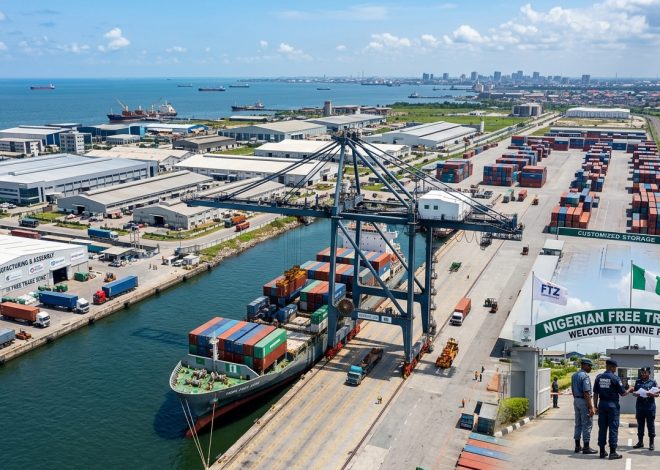
Doing Business in Akwa Ibom State, Nigeria: A Comprehensive Legal Guide for 2026
Doing Business in Akwa Ibom State, Nigeria: A Comprehensive Legal Guide for 2026
Disclaimer: This article provides general information and is not intended as legal advice. Laws and regulations are subject to change, and their interpretation can vary. Readers should consult with qualified legal counsel for advice on their specific circumstances.
Introduction
Nigeria remains Africa’s largest economy and a key commercial hub in the region. The country has a population of more than 220 million, making it the most populous nation on the continent, and it serves as a strategic gateway into West African markets through the Economic Community of West African States (ECOWAS), which provides access to a combined market of over 400 million people.
Akwa Ibom State, located in the oil-rich South-South geopolitical zone of Nigeria, has increasingly positioned itself as a leading investment destination. The State is endowed with significant natural resources, including crude oil, natural gas, and vast agricultural land. Its capital, Uyo, continues to attract attention from investors due to its relatively modern infrastructure, urban planning, and tranquil environment.
The State Government, under Governor Umo Eno, has launched a comprehensive economic development blueprint known as the ARISE Agenda. This agenda is a call to action rooted in pragmatism and people-focused development, recognizing trade and investment as key pillars for achieving sustainable economic growth, job creation, and inclusive prosperity. The Government has also begun dismantling bottlenecks that hamper the ease of doing business, aiming to promote Akwa Ibom as a top investment destination in Nigeria and beyond.
This comprehensive article examines the legal framework for doing business in Akwa Ibom State in 2026, covering business incorporation, investment laws, sector-specific regulations, taxation, employment and immigration laws, dispute resolution, land and property laws, and recent developments in the State’s legal landscape.
Part I: Federal Legal Framework for Business Registration
1.1 Principal Legislation
The cornerstone of company law in Nigeria is the Companies and Allied Matters Act (CAMA) 2020. This Act is the principal law regulating the incorporation of businesses in Nigeria and outlines the rules for company formation, governance, shareholder rights, and regulatory compliance. The Corporate Affairs Commission (CAC) is the regulatory body responsible for administering CAMA and managing the registration of all business enterprises in Nigeria.
1.2 Types of Business Entities
The CAC classifies entities into business names, companies, and incorporated trustees. The most common structures for businesses in Akwa Ibom State are:
- Business Name (Sole Proprietorship/Partnership): This is a simple structure best for small-scale businesses. However, it is not a separate legal entity from its owner(s), meaning liability is unlimited, and the owner is personally responsible for debts. This structure is not recommended for foreign investors or those seeking external investment.
- Private Company Limited by Shares (Ltd): This is the most common corporate structure for startups, SMEs, and foreign investors. It offers limited liability protection, allowing the company to operate as a legally independent entity. Shareholders’ liability is limited to the value of their share capital, and the company can own property, enter contracts, and incur liabilities independently. This is the default form for small-to-medium trading companies and foreign investors who want limited liability without public share issuance.
- Public Limited Company (Plc): This structure is for larger companies that may offer shares to the general public. It is subject to more stringent regulatory requirements.
1.3 Company Registration Process in 2026
The company registration process in Nigeria has been significantly modernized. The online Company Registration Portal (CRP) is central to the process in 2026, empowering users with real-time AI-supported name availability checks, guidance, and paperless submission, accelerating incorporation to potentially same-day issuance.
Step-by-step procedure:
Step 1: Decide Structure and Reserve Name – The most common structure for most businesses is a Private Company Limited by Shares. The applicant must check name availability and reserve a name via the CAC Company Registration Portal (CRP).
Step 2: Prepare Incorporation Documents – The following documents are required:
- Memorandum and Articles of Association (or the single-document constitution under CAMA 2020);
- Form CAC 1.1 / application for registration (online);
- Particulars of directors (full names, addresses, nationality, occupation, means of identification). At least one director is required. If foreign directors are involved, a passport/ID and proof of residential address must be provided;
- Particulars of shareholders and share capital (number of shares and nominal value);
- Registered office address in Nigeria (mandatory);
- Statement of compliance (usually completed by a legal practitioner or an authorized person).
Step 3: File Online via CAC CRP and Pay Fees – The applicant submits the forms and attaches ID documents through the CAC portal (iCRP). Registration and stamp duty fees are paid online. CAC will process the application and, if all is in order, issue a Certificate of Incorporation and a company registration number. The typical timeline is the same day to a few days, depending on the completeness of the application.
Step 4: Post-Incorporation Registrations (Essential) – Immediately after incorporation, the company should:
- Obtain a Tax Identification Number (TIN). Effective 1st January 2026, a major simplification has been introduced: a company’s CAC Registration Number (RC Number) now automatically serves as its Tax Identification Number (TIN);
- Register for Value Added Tax (VAT);
- Open a corporate bank account in Nigeria;
- If foreign-owned, register with the Nigerian Investment Promotion Commission (NIPC) and obtain a Business Permit and Expatriate Quota (if hiring foreign nationals).
1.4 Minimum Share Capital Requirements
Under CAMA 2020, companies are required to issue a minimum amount of share capital upon incorporation:
- Nigerian-owned companies: The minimum share capital is ₦100,000;
- Foreign-owned companies (any company with foreign participation): The minimum issued share capital is ₦100,000,000 (100 million Naira). Consequently, any foreign-owned or foreign-participating company that currently has a share capital below this threshold is required to increase its issued share capital to comply with the statutory requirement.
1.5 Regulatory Compliance Obligations
Once registered, businesses in Akwa Ibom State must comply with ongoing regulatory obligations. These include filing annual returns with the CAC, maintaining proper books of account, filing tax returns with the relevant tax authorities, and complying with sector-specific regulations. Regulators such as the CAC, the Nigeria Revenue Service (NRS), the Financial Reporting Council of Nigeria (FRCN), and the Nigeria Data Protection Commission (NDPC) are increasingly focusing on compliance failures and transparency gaps. Business owners, directors, and investors must understand and comply with these obligations not only for legal survival but also for market competitiveness, access to finance, and stakeholder trust.
Part II: Investment Laws and Incentives
2.1 Federal Investment Laws
The Nigeria Investment Promotion Commission (NIPC) Act is the principal federal law governing foreign investment in Nigeria. Nigeria’s national policy on foreign investment permits foreign investment in all sectors of the economy except specified industries or enterprises on the “negative list” in the NIPC Act, in which investments by both foreign and Nigerian investors are prohibited. The prohibited sectors are:
- Production of arms, ammunition, etc.;
- Production of and dealing in narcotic drugs and psychotropic substances;
- Production of military and para-military wears and accoutrement, including those of the Police and the Customs, Immigration and Prison Services (now known as Nigerian Correctional Service);
- Such other items as the Federal Executive Council (FEC) may from time to time determine.
All foreign-owned enterprises must register with the NIPC to enjoy legal protections and investment incentives. This registration serves as the official recognition of the foreign investment by the Nigerian Government and is a prerequisite for obtaining further business permits. The NIPC registration provides legal protection against nationalization or expropriation without fair compensation, guarantees access to international arbitration for the settlement of investment disputes, and acts as a gateway to applying for various sector-specific tax breaks and grants.
2.2 The New Economic Development Tax Incentive (EDTI) Scheme
One of the most significant changes to Nigeria’s investment incentive regime in 2026 is the replacement of the Pioneer Status Incentive (PSI) with the Economic Development Tax Incentive (EDTI) scheme. The Nigeria Tax Act (NTA) 2025 repealed the Industrial Development (Income Tax Relief) Act and replaced the PSI with the EDTI scheme, which aims to stimulate capital investment in priority sectors. This transition represents a strategic recalibration of Nigeria’s investment incentive regime.
Key features of the EDTI scheme:
- Instead of tax holidays, eligible companies will receive tax credits equal to 5% of their Qualifying Capital Expenditure (QCE), granted annually for five years;
- Unused credits can be carried forward for an additional five years;
- The incentive period can be extended up to ten years where profits are fully reinvested;
- QCE thresholds are codified in law, typically ranging from ₦250 million to ₦200 billion by sector;
- Priority sectors include manufacturing, agriculture, mining, renewables, and ICT.
Companies that were already beneficiaries of the PSI before 1 January 2026 will continue to receive benefits under the previous regime for the unexpired tax relief period. Applications for the PSI were no longer accepted after 10 November 2025.
2.3 The Nigeria Startup Act 2022
The Nigeria Startup Act 2022 (NSA) is designed to foster innovation, attract investment, and create a favorable business climate for tech-enabled startups in Nigeria. It aims to position Nigeria as a leading hub for digital entrepreneurship in Africa by removing regulatory barriers and offering targeted incentives.
The NSA introduces the Startup Label, issued by the National Information Technology Development Agency (NITDA), which is a prerequisite for enjoying the incentives under the Act. To qualify, a startup must:
- Be registered as a limited liability company with the CAC, and in operation for less than 10 years;
- Have its objects focused on innovation, development, production, or improvement of a digital product, service, or process;
- Have at least 33% of its shares held by a Nigerian founder or co-founder.
Key incentives for Labelled Startups include:
- Tax Incentives: Pioneer Status Incentive (initial three-year tax holiday, extendable for an additional two years); exemption from Capital Gains Tax for angel investors, venture capitalists, and private equity firms who hold their equity for a minimum of two years; tax deductions for investments in Research & Development (R&D) wholly incurred in Nigeria;
- Regulatory Support: Access to regulatory sandboxes, fast-tracked approvals and waivers, and a single window platform to streamline startup registration and compliance;
- Access to the Startup Investment Seed Fund: To be managed by the Nigeria Sovereign Investment Authority (NSIA), providing early-stage finance, support for technology development, and grants for research and innovation.
2.4 Akwa Ibom State Investment Promotion Framework
2.4.1 The Akwa Ibom Investment Corporation (AKICORP)
The Akwa Ibom Investment Corporation (AKICORP) was established by a law of the Akwa Ibom State House of Assembly in 2012 as a Special Purpose Vehicle for investment promotion, entrepreneurship, and accelerated industrial development of Akwa Ibom State. It replaced its predecessor, the Akwa Ibom Investment and Industrial Promotion Council (AKIIPOC).
Statutory functions of AKICORP include:
- To coordinate and monitor all investment promotion activities in the State;
- To determine and advise on policies that will best promote accelerated industrialization and multi-sectorial investment to diversify the economy and enhance the State’s productive capacity;
- To provide information and data about investment opportunities and sources of capital investment in the State and advise on joint venture projects development;
- To carry on the business of an investment trust and holding company and control all the investment and securities of the State Government in various companies, parastatals, and other bodies;
- To articulate and supervise the reactivation of industries and business concerns in which Government has interest or shares;
- To liaise with other States, Federal and International organizations such as Bureau for Public Enterprises, NIPC, Small and Medium Enterprises Development Agency of Nigeria (SMEDAN), Nigerian Export Promotion Commission (NEPC), Bank of Industry (BOI), Nigerian Export-Import Bank (NEXIM), United Nations Industrial Development Organisation (UNIDO) to enhance economic development in the State.
2.4.2 Akwa Ibom State Investment Incentives
The Akwa Ibom State Government offers various investment incentives to attract investors, including tax breaks, subsidies, investment grants, land concessions, and Small and Medium Enterprises (SME) support.
The State’s Ministry of Trade and Investment has identified several key focus areas:
- Ease of Doing Business: Reviewing regulatory frameworks and processes to make it easier for investors to do business in the State;
- MSME Support and Empowerment: Working with relevant agencies to scale up access to finance, training, and market opportunities for micro, small, and medium enterprises across all local government areas;
- Industrial Cluster Development: Encouraging the establishment of small-scale industries and agro-processing hubs in key zones;
- Investment Promotion Drive: Unveiling a comprehensive investment roadmap highlighting opportunities in agriculture, tourism, aviation, power, maritime, manufacturing, and ICT;
- Trade Facilitation and Export Growth: Establishing investment desks in the State’s liaison offices in Abuja and Lagos, compiling a comprehensive Investment and Trade Compendium, and deepening collaboration with ministries, development partners, regulatory agencies, and the Diaspora community.
2.4.3 Akwa Ibom State Start-Up Bill
The Akwa Ibom State Start-Up Bill is advancing through the State House of Assembly. The proposed law seeks to establish a framework to foster innovation, support start-ups, and position Akwa Ibom as a leading technological hub in Nigeria. The bill aims to provide a legal framework to support start-ups in Akwa Ibom State, enabling them to grow into commercially beneficial enterprises. The State is also seeking to unlock access to the Federal Government’s N10 billion annual fund for start-ups under the national Start-Up Act.
Part III: Sector-Specific Legal Framework
3.1 Oil and Gas Sector
Akwa Ibom State is a major oil-producing state, with the Supreme Court of Nigeria having affirmed in two separate judgments (in 2002 and 2012) that the State owns 76 offshore oil wells. The Supreme Court held that after the cession of the Bakassi Peninsula to the Republic of Cameroon, Cross River State no longer has a seaward boundary and consequently ceases to be a littoral state for the purpose of entitlement to derivation from offshore oil wells.
Investors in the oil and gas sector in Akwa Ibom State should note the following:
- Compliance with Federal Laws: Oil and gas operations are primarily regulated by federal laws, including the Petroleum Industry Act (PIA) 2021;
- Local Content Requirements: The Nigerian Oil and Gas Industry Content Development (NOGICD) Act requires operators to give first consideration to Nigerian goods and services. The Government has recently tightened local content rules in the oil and gas industry;
- Land Acquisition: Governor Umo Eno has vowed to revoke titles to all lands acquired by oil and gas firms operating in the State without government approval, emphasizing that the State would deal severely with anyone involved in encouraging illegal mining in the State.
3.2 Agricultural Sector
Agriculture is a key priority sector for the Akwa Ibom State Government. The State has allocated significant resources to the agricultural sector, including a planned investment of $20 million (approximately ₦31 billion) in the palm oil sector in 2026 to boost yields and expand cultivation.
Key laws and regulations:
- Anti-Open Grazing Law: Akwa Ibom State has enacted a law to prohibit open rearing and grazing of livestock and provide for the establishment of ranches and livestock administration, regulation, and control in the State. The law is aimed at promoting modern techniques in animal husbandry, preventing the destruction of farms by nomads and their cattle, and reducing herder-farmer clashes in the State. An enforcement committee has been inaugurated to ensure compliance, and the State Police Command has reaffirmed its commitment to enforce the law;
- Land Administration: Investors in the agricultural sector must comply with the State’s land laws and regulations, including obtaining proper land titles and complying with the State’s land administration framework (discussed in Part VII).
3.3 Tourism and Hospitality Sector
The tourism and hospitality sector in Akwa Ibom State is undergoing significant legal development. The State Executive Council has approved the Akwa Ibom State Hotels and Tourism Development Commission (Establishment) Bill for transmission to the State House of Assembly. The proposed legislation seeks to regulate and promote the State’s hospitality sector while creating a clearer framework for investment and public-private partnerships.
Additionally, the State has previously passed a bill to establish the State Tourism, Arts and Culture Endowment Fund (AKSTACEF), which is intended to boost the funding of the tourism sector, improve revenue accruing to the State, preserve and maintain tourism and historical heritage sites, enhance economic growth, and create employment.
3.4 Information and Communications Technology (ICT) Sector
Akwa Ibom State is positioning itself as a technology hub. A bill for a law to establish the Akwa Ibom State Bureau for ICT, Innovation & Emerging Technologies (AKBICT) has been set for public hearing. When signed into law, this legislation will work collaboratively with other laws to deliver the benefits of investment in technology, innovation, and creative digital enterprises.
The Nigeria Startup Act 2022, discussed above, is fully applicable to tech-enabled startups operating in Akwa Ibom State. The Akwa Ibom Start-Up Bill, currently pending, will further domesticate the framework of the federal Act and tailor it to the State’s unique economic environment.
Part IV: Taxation in 2026 – The New Nigeria Tax Act
4.1 Overview of the Nigeria Tax Act 2025
The Nigeria Tax Act (NTA) 2025 came into effect on 1 January 2026. This landmark legislation repeals and consolidates several major tax laws, including the Companies Income Tax Act, the Personal Income Tax Act, the Capital Gains Tax Act, the Industrial Development (Income Tax Relief) Act, and the Stamp Duties Act, replacing them with a unified, modernized regime. The Act is complemented by the Nigeria Tax Administration Act (NTAA) 2025, the Nigeria Revenue Service (Establishment) Act (NRSA) 2025, and the Joint Revenue Board (Establishment) Act (JRBA) 2025, which together establish a new tax regime for Nigeria.
4.2 Corporate Income Tax (CIT)
Under the NTA 2025, companies in Nigeria are subject to CIT on their profits. The applicable rates depend on the size of the company:
- Small companies: A small company, defined as a business with an annual gross turnover of ₦100,000,000 or less (under the final approved copy of the Act signed by the President), enjoys a 0% CIT rate. However, there is a material discrepancy: the version of the Act previously released by the Federal Inland Revenue Service (FIRS) defines a small company as having an annual gross turnover of ₦50,000,000 or less. This discrepancy has created legal uncertainty, and businesses should monitor developments closely;
- Medium companies: Medium-sized companies are subject to CIT at a reduced rate;
- Large companies: Large companies are subject to payment of CIT at the standard rate, Capital Gains Tax (CGT), and the Development Levy.
4.3 Capital Gains Tax (CGT)
The NTA 2025 raises capital gains tax for companies from a flat 10% to as high as 30% and introduces an “economic nexus” rule. Notably, Nigeria will triple the CGT on profits earned by foreign investors trading in local equities — from 10% to 30%, effective from January 2026.
4.4 Personal Income Tax (PIT)
Individuals earning ₦800,000 or less per annum are exempt from tax on their income and gains, while higher income earners will be taxed at higher rates up to 25%.
4.5 Value Added Tax (VAT)
The NTA 2025 has repealed and re-enacted the Value Added Tax Act. VAT is chargeable on the supply of goods and services in Nigeria. The standard VAT rate remains at 7.5%. Businesses with an annual turnover exceeding the prescribed threshold are required to register for VAT.
4.6 Other Key Changes Under the NTA 2025
- Taxation of undistributed profits of non-resident companies: The NRS may deem as distributed the undistributed profits of a non-resident company controlled by a Nigerian company and tax the proportion of the deemed distribution attributable to the Nigerian company;
- Exemption of dividends of a capital nature: Dividends received by a Nigerian company by way of shares in the paying company shall be excluded from profits chargeable to tax;
- Minimum tax on non-resident companies: The NTA introduces a minimum tax on the profits of a non-resident from a trade, business, vocation, or profession carried on in Nigeria to the extent that such profits are attributable to a permanent establishment of the non-resident in Nigeria;
- Digital assets taxation: The Final Approved Copy of the NTA brings “profits or gains from transactions in digital assets” into the tax net.
4.7 State Taxes and Levies
Businesses operating in Akwa Ibom State are also subject to various State taxes and levies, including:
- Withholding Tax (WHT): Deducted at source from payments for goods and services;
- Pay As You Earn (PAYE): Income tax deducted from employees’ salaries;
- Development Levy: Applicable to large companies;
- Local Government Levies: Various rates and levies imposed by Local Government Councils.
Part V: Employment and Immigration Laws
5.1 Labour Laws
The principal legislation governing employment in Nigeria is the Labour Act (Cap. L1, Laws of the Federation of Nigeria, 2004) . The Act regulates contracts of employment, wages, hours of work, leave entitlements, and termination of employment. However, the Labour Act primarily applies to workers in certain sectors, and its provisions may not cover all categories of employees.
Key considerations for employers in Akwa Ibom State:
- Written Contract of Employment: For workers covered by the Labour Act, a written contract is required for employment lasting more than three months or for specified categories of workers;
- Termination and Redundancy: The Labour Act provides for notice periods and severance pay in cases of termination or redundancy;
- Pension: The Pension Reform Act 2014 requires employers with 15 or more employees to contribute to a pension scheme for their employees;
- Industrial Training Fund (ITF): Employers with five or more employees or with a turnover of ₦50 million or more are required to contribute 1% of their annual payroll to the ITF;
- Nigeria Social Insurance Trust Fund (NSITF): Employers are required to contribute 1% of their employees’ total monthly emolument to the NSITF for the Employee Compensation Scheme.
5.2 Immigration Laws – Business Permit and Expatriate Quota
Foreign investors seeking to operate a business in Akwa Ibom State must comply with Nigeria’s immigration laws.
Business Permit:
A Business Permit authorizes a fully or partially foreign-owned entity to legally commence operations in Nigeria. It is issued by the Federal Ministry of Interior and is a prerequisite for applying for an Expatriate Quota. The government fee for a Business Permit is generally around ₦100,000.
Expatriate Quota:
An Expatriate Quota is a government-issued permit allowing companies to hire foreign nationals for specific technical or managerial roles. The Nigerian Government sets a limit on the number of expatriates companies can employ, typically 5% of the total workforce, to ensure locals are prioritized. Key requirements include:
- Only a company can apply for an Expatriate Quota; individuals are prohibited from such applications;
- The application must be on the company’s letterhead and addressed to the Permanent Secretary, Federal Ministry of Interior;
- Companies must appoint at least two Nigerian understudies for every expatriate position to facilitate skill transfer;
- Monthly expatriate returns must be filed with the Nigeria Immigration Service;
- The quota is tied to specific job roles, not individuals. Transferring a foreign worker to a different role without updating the quota violates immigration law.
CERPAC:
Once an Expatriate Quota is granted, each expatriate must obtain a Combined Expatriate Residence Permit and Alien Card (CERPAC). The statutory fee is typically $2,000 USD per expatriate, renewable annually.
Recent Developments:
The Minister of Interior has announced that various reforms being introduced by the Ministry and Nigeria Immigration Service, especially in expatriate quota and new visa processes, will go live on 1 May 2026. A new transparent digital framework for managing expatriate quotas has revealed that more than 60% of approvals under the old system were found to be fraudulent due to weak inter-agency integration. The Government has also recently rejected 186 expatriate slots in the oil and gas industry due to non-compliance with local content rules.
Part VI: Dispute Resolution – Arbitration and Litigation
6.1 The Arbitration and Mediation Act 2023
Nigeria’s arbitration landscape has been significantly modernized by the Arbitration and Mediation Act (AMA) 2023, which repealed the Arbitration and Conciliation Act of 2004. The AMA 2023 is designed to position Nigeria as a forward-looking arbitration hub, establishing a unified legal framework for the fair and efficient resolution of commercial disputes.
Key features of the AMA 2023 include:
- Emergency Arbitrator Mechanism: Allows for the appointment of an emergency arbitrator to handle urgent relief requests before the arbitral tribunal is formally constituted. The relevant institution must appoint the emergency arbitrator within two working days;
- Award Review Tribunal (ART): Allows parties to voluntarily agree to establish an ART to review arbitral awards on both factual and legal grounds, functioning as an appellate mechanism;
- Third-Party Funding (TPF): The Act explicitly regulates third-party funding of arbitration proceedings;
- Mandatory Stay of Court Proceedings: The Act establishes a mandatory stay of parallel court proceedings;
- Enforcement of Foreign Awards: The AMA 2023 expressly applies the New York Convention on the Recognition and Enforcement of Foreign Arbitral Awards, covering international commercial arbitration awards made in Nigeria and other contracting states.
6.2 The National Policy on Arbitration and ADR 2024
The Federal Government has also unveiled the National Policy on Arbitration and Alternative Dispute Resolution 2024, approved by the Federal Executive Council in July 2024 and formally unveiled on 11 February 2025. The Policy aims to position Nigeria as a leading hub for arbitration and ADR in Africa, fostering efficient, transparent, and globally aligned mechanisms for resolving cross-border commercial disputes.
Key objectives of the Policy include:
- Promotion of ADR mechanisms (arbitration, mediation, and conciliation) as the preferred methods of resolving disputes, especially in commercial transactions;
- Government participation and institutional support, with MDAs adopting structured measures for negotiating ADR agreements and participating effectively in arbitral proceedings;
- Establishment of a coordinated national approach to address inefficiencies associated with the current unstructured processes.
6.3 Litigation
The Nigerian court system remains an alternative for resolving commercial disputes. The High Court of Akwa Ibom State has jurisdiction over commercial disputes arising within the State. The Federal High Court also has jurisdiction over certain matters, including disputes relating to federal legislation, taxation, intellectual property, and admiralty.
While litigation is available, it is often characterized by significant case backlog, resulting in lengthy delays. Consequently, arbitration is generally recommended for commercial disputes, particularly those involving international parties.
Part VII: Land and Property Laws
7.1 The Land Use Act
The Land Use Act (Cap. L5, Laws of the Federation of Nigeria, 2004) is the principal law governing land ownership and administration in Nigeria. The Act vests all land in each State in the Governor of that State, who holds it in trust for the people. The Governor has the power to grant statutory rights of occupancy over land in the State.
7.2 Akwa Ibom State Land Administration
Acquisition of Land by Aliens Law:
The Acquisition of Land by Aliens Law (Cap. 1) regulates the acquisition of land by aliens in Akwa Ibom State. The Law provides that no alien may acquire land without the approval of the Commissioner responsible for land and prohibits the unlawful occupation of land by an alien.
Akwa Ibom State Geographic Information Service (AKWAGiS) Bill:
The State Executive Council has approved the Geographic Information Service Bill for transmission to the State House of Assembly. This proposed legislation is designed to strengthen key sectors such as land administration and promote transparency, efficiency, and good governance.
Revocation and Revalidation of Land Allocations:
In August 2025, the Akwa Ibom State Government revoked all land allocations made since Governor Umo Eno assumed office in May 2023, inclusive of all government-acquired land, for the purpose of revalidating allocations and interests and for migrating to the digital Akwa-GIS platform. During the transition period, all fresh allocations of government land and transactions on government land were suspended for one month, and the Directorate of Lands was shut. The revalidation process was scheduled to last two months and be carried out by the GIS office at the Ministry of Lands and Town Planning. Any land allocation, instrument, or interest not revalidated within this period was deemed invalid.
Investors seeking to acquire land in Akwa Ibom State must:
- Ensure that all land transactions comply with the Land Use Act and State land laws;
- Obtain a Certificate of Occupancy (C of O) from the State Government;
- If an alien, obtain the approval of the Commissioner responsible for land before acquiring any land;
- Conduct thorough due diligence to verify the validity of land titles, especially in light of the recent revocation and revalidation exercise.
Part VIII: Recent Legal and Policy Developments
8.1 Akwa Ibom State’s 2026 Budget
Governor Umo Eno presented a N1.39 trillion budget proposal for the 2026 fiscal year, tagged “The People’s Budget of Expansion and Growth”. The budget allocates N1.035 trillion to capital expenditure and N354.8 billion to recurrent obligations, underscoring the administration’s resolve to channel resources into projects that expand economic infrastructure, improve social services, and stimulate long-term productivity.
Key sectoral allocations include:
- Infrastructure development: N387.5 billion for roads, bridges, and related works across urban and rural communities;
- Health sector: N136.1 billion;
- Education sector: N31.6 billion for school upgrades, teacher development, and learning facilities.
The 2026 budget is anchored on the State’s Medium-Term Expenditure Framework, guided by realistic revenue forecasts, and a commitment to avoid waste. The administration has fully cleared the N39.831 billion commercial banks’ debt inherited from previous administrations.
8.2 The Eleven Executive Bills
In April 2026, the Akwa Ibom State Executive Council approved eleven executive bills for transmission to the State House of Assembly. These include:
- Akwa Ibom State Hotels and Tourism Development Commission Bill;
- Lottery Regulatory Agency Bill;
- Senior Citizens Centre Management Agency Bill;
- Geographic Information Service Bill;
- Ibom Broadcasting Corporation Bill;
- State Honours and Award Bill;
- Dakadda Skills Acquisition Centre Bill;
- Water User Association Bill;
- Office of the Public Defender Bill;
- Emergency Medical Services and Ambulance Systems Agency Bill;
- Hospitals Management Board Amendment Bill.
These proposed legislations are designed to strengthen key sectors such as tourism, broadcasting, healthcare, emergency services, and land administration, while expanding social protection through initiatives including the Senior Citizens Centre and the Office of the Public Defender.
8.3 Continued Commitment to Ease of Doing Business
The Akwa Ibom State Government has maintained its commitment to improving the ease of doing business. The Ministry of Trade and Investment has announced plans to establish investment desks in the State’s liaison offices in Abuja and Lagos, compile a comprehensive Investment and Trade Compendium, and deepen collaboration with ministries, development partners, regulatory agencies, investors, and the Diaspora community. The Government is strategically positioning itself to facilitate investment that drives local content, value addition, and industrialization.
Part IX: Practical Considerations for Investors
9.1 Due Diligence
Before entering the Akwa Ibom State market, investors should conduct comprehensive due diligence covering:
- Legal and regulatory compliance requirements;
- Land title verification and compliance with State land laws;
- Tax obligations and eligibility for incentives;
- Sector-specific licensing and permit requirements;
- Labour and immigration requirements, including Business Permit and Expatriate Quota applications;
- Environmental and social impact assessment requirements.
9.2 Choosing the Right Legal Structure
For most foreign investors, the optimal structure is a Private Company Limited by Shares (Ltd) registered with the CAC, with the minimum issued share capital of ₦100 million. This structure provides limited liability protection and allows for 100% foreign ownership in most sectors (excluding those on the negative list).
9.3 Engaging Local Counsel
Engaging qualified Nigerian legal counsel is essential for navigating the legal landscape. Local counsel can assist with company registration, obtaining permits and licenses, drafting contracts, ensuring tax compliance, and representing the investor in dispute resolution proceedings.
9.4 Understanding Cultural and Business Norms
Investors should also familiarize themselves with the cultural and business norms in Akwa Ibom State. Building relationships, understanding local customs, and engaging with community stakeholders are important factors for successful business operations.
Conclusion
Akwa Ibom State in 2026 presents significant opportunities for domestic and foreign investors. The State possesses abundant natural resources, a strategic location, a growing consumer market, and a Government committed to improving the ease of doing business. The legal framework for doing business in the State is underpinned by the Companies and Allied Matters Act 2020, the Nigeria Tax Act 2025, the Nigeria Investment Promotion Commission Act, the Arbitration and Mediation Act 2023, and the Land Use Act, among others.
The 2026 tax reforms, particularly the introduction of the Economic Development Tax Incentive (EDTI) scheme and the repeal of the Pioneer Status Incentive, represent a strategic shift in Nigeria’s investment incentive regime. The Nigeria Startup Act 2022 continues to provide targeted incentives for tech-enabled startups, and the pending Akwa Ibom State Start-Up Bill promises to further support the State’s innovation ecosystem.
The Akwa Ibom State Government’s ARISE Agenda, the N1.39 trillion 2026 budget, the eleven executive bills pending before the State House of Assembly, and the ongoing efforts to improve the ease of doing business all signal that the State is positioning itself for inclusive growth and sustainable development.
However, potential investors must navigate a complex legal and regulatory environment. Key challenges include understanding the new tax regime, complying with the ₦100 million minimum share capital requirement for foreign-owned companies, navigating the land administration framework (including the recent revocation and revalidation of land allocations), and complying with immigration and expatriate quota requirements.
With proper legal guidance, thorough due diligence, and a clear understanding of the legal framework, investors can successfully establish and operate businesses in Akwa Ibom State, contributing to the State’s economic growth and benefiting from its numerous opportunities.
References
- Companies and Allied Matters Act, 2020 (CAMA 2020)
- Nigeria Tax Act, 2025 (NTA 2025)
- Nigeria Tax Administration Act, 2025 (NTAA 2025)
- Nigeria Investment Promotion Commission Act (NIPC Act)
- Industrial Development (Income Tax Relief) Act (repealed effective 1 January 2026)
- Nigeria Startup Act, 2022 (NSA 2022)
- Arbitration and Mediation Act, 2023 (AMA 2023)
- Labour Act (Cap. L1, Laws of the Federation of Nigeria, 2004)
- Land Use Act (Cap. L5, Laws of the Federation of Nigeria, 2004)
- Akwa Ibom Investment Corporation Law, 2012
- Acquisition of Land by Aliens Law (Cap. 1), Akwa Ibom State
- National Policy on Arbitration and Alternative Dispute Resolution, 2024
This article was prepared in April 2026 and reflects the legal position as of that date. Readers should note that laws and regulations are subject to change, and professional legal advice should be sought for specific transactions or business operations.
Related Articles

A Comprehensive Legal Guide to Registering a Company Limited by Guarantee in Nigeria

Using Free Trade Zones (FTZs) to Bypass FX Restrictions and Import Duties

Drafting Exit Rights Under Nigerian Law That Survive NIPC, SEC, and FIRS Scrutiny