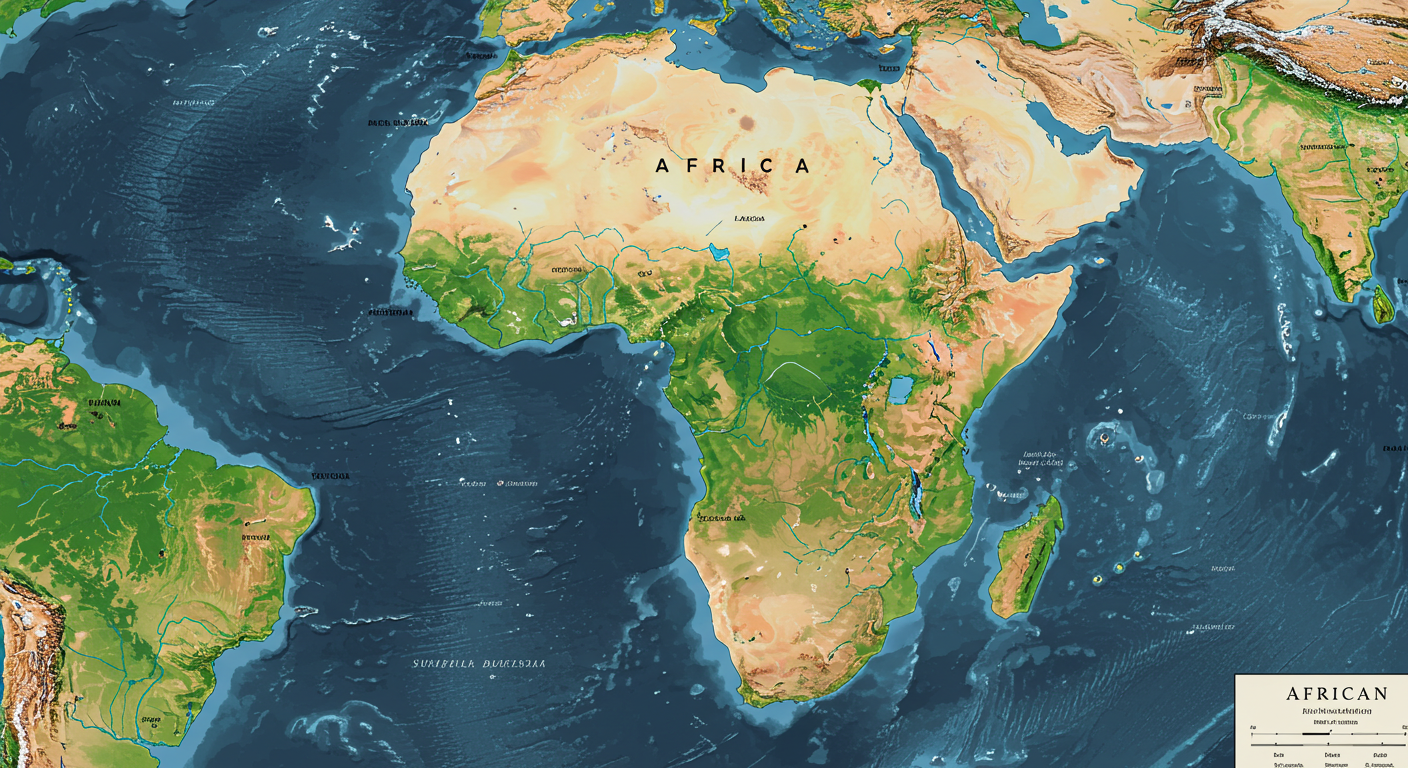
Nigeria and South Africa are the two largest economies in Africa, but they have different economic structures, strengths, and challenges. Below is a comparison and contrast of their economies:
GDP & Economic Size
Factor
Nigeria
South Africa
Nominal GDP (2024)
$395 billion
$401 billion
Real GDP Growth (2024 est.)
~3.3%
~1.2%
GDP Per Capita
~$1,700
~$6,700
Nigeria has a larger population but lower GDP per capita, indicating lower average income levels.
South Africa has a more diversified economy with a higher standard of living.
Key Economic Sectors
Sector
Nigeria (Contribution to GDP)
South Africa (Contribution to GDP)
Oil & Gas
~7% (dominates exports, over 85%)
~5%
Financial Services
~3%
~23% (major sector)
Manufacturing & Industry
~14%
~14%
Agriculture
~26%
~3%
Mining & Natural Resources
~0.3%
~8%
Trade & Exports
~16%
~38%
Tourism
~3%
~9%
Nigeria’s economy is oil-dependent, making it vulnerable to global oil price fluctuations.
South Africa has a more diversified economy, with strong contributions from finance, trade, and manufacturing.
Natural Resources & Exports
Factor
Nigeria
South Africa
Main Exports
Crude oil, petroleum products, natural gas
Gold, platinum, coal, diamonds, cars
Major Trading Partners
India, China, U.S., Netherlands
China, U.S., Germany, India
Major Resources
Oil, gas, limestone, cocoa
Gold, platinum, coal, iron ore
Nigeria’s economy is heavily dependent on crude oil exports, while South Africa exports minerals and manufactured goods.
South Africa’s mining industry is world-renowned, while Nigeria’s agriculture plays a bigger role.
Population & Workforce
Factor
Nigeria
South Africa
Population (2024)
~223 million
~60 million
Unemployment Rate
~33%
~32%
Labor Force Composition
Mostly agriculture and informal sector
More formal employment in services & industry
Nigeria has a much larger population, but high unemployment and underemployment.
South Africa also has high unemployment, especially among youth, but has a more formalized labor market.
Infrastructure & Business Environment
Factor
Nigeria
South Africa
Ease of Doing Business
Rank: 131 (2020)
Rank: 84 (2020)
Power Supply Issues
Frequent blackouts (average 4,500 MW capacity)
Load shedding but better infrastructure (average 35,000 MW)
Transportation
Poor road network, underdeveloped rail system
Good road & rail network, modern ports
ICT & Telecom
Strong mobile penetration, growing fintech
Advanced telecom, financial services, and e-commerce
South Africa has better infrastructure, with more reliable electricity, roads, and transport.
Nigeria is improving in digital and fintech sectors but struggles with power supply and road networks.
Economic Challenges
Challenge
Nigeria
South Africa
Unemployment
Very high (33%)
High (32%)
Inflation
High (~29%)
Moderate (~5-6%)
Corruption
Widespread, affects business and governance
Also significant but institutions are stronger
Power Shortages
Major issue, unreliable electricity supply
Load shedding but better than Nigeria
Security Issues
Terrorism (Boko Haram), banditry, oil theft
Crime, inequality, protests
Nigeria faces security issues like terrorism and oil theft, while South Africa has high crime rates and social unrest.
Nigeria’s inflation is much higher, reducing purchasing power.
Strengths & Opportunities
Factor
Nigeria
South Africa
Strengths
Large youth population, fintech, oil & gas, agriculture
Growth in renewable energy, industrialization, exports
Nigeria has a huge potential in technology (fintech, e-commerce) and agriculture.
South Africa’s industrial and financial sectors provide long-term stability.
Conclusion:
Nigeria is Africa’s most populous country and has huge economic potential but is heavily reliant on oil, facing security, power, and infrastructure challenges.
South Africa has a more developed and diversified economy, with strong financial services and manufacturing, but struggles with high unemployment and energy crises.
Both countries need structural reforms to fully unlock their economic potential.