
Political
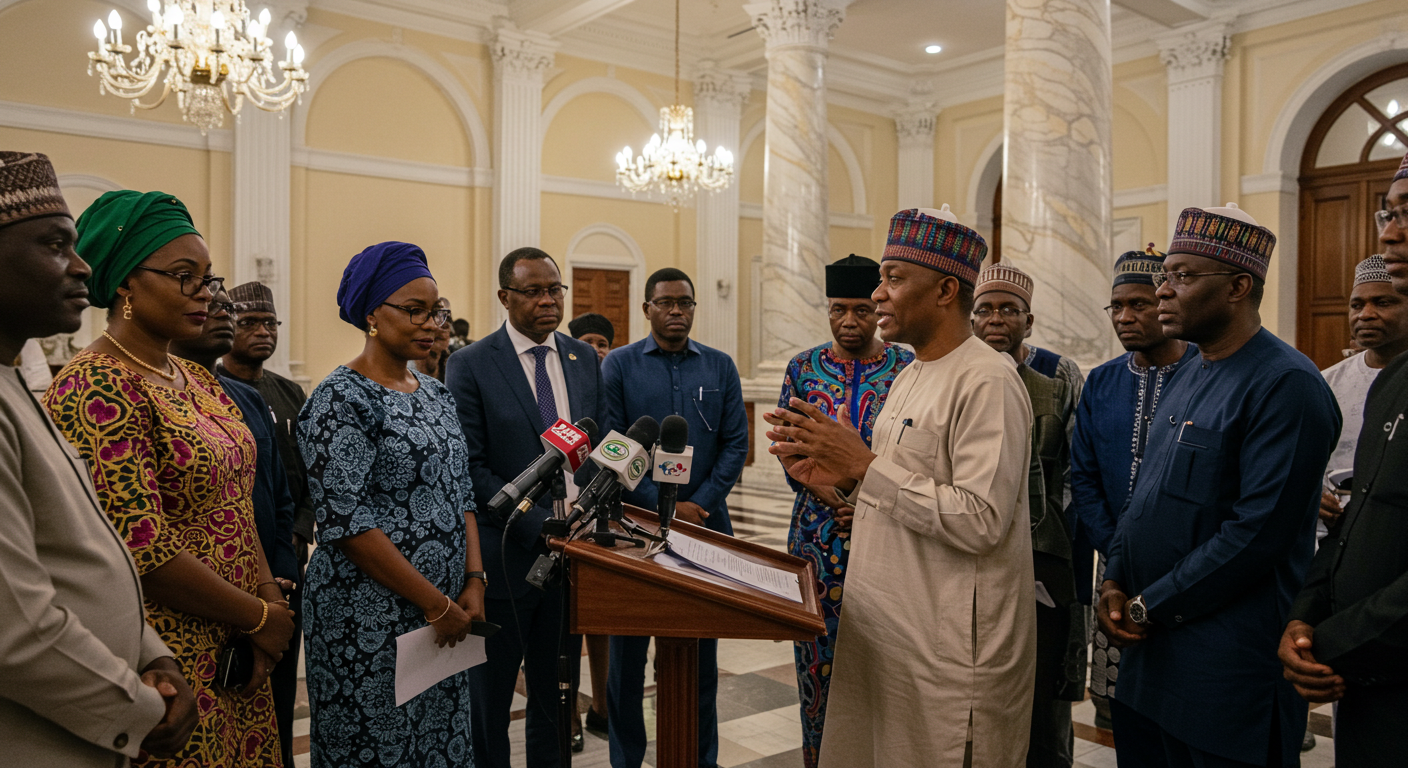
Can Nigeria Become Un-Corrupt?
Corruption in Nigeria has long been a pervasive and deeply rooted challenge, casting a shadow over governance, economic growth, and public trust. From inflated contracts and embezzled public funds to nepotism and electoral malpractice, corruption permeates virtually every sector. Yet the question remains: Can Nigeria become un-corrupt? While the journey is long and difficult, the […]

Nigeria and the Curse of Institutionalised Corruption
In Nigeria, corruption is not merely a vice—it is a way of life, embedded deep into the operating systems of state. It is institutionalised, sustained by complicit actors across all branches and levels of government, and normalized in a way that has numbed the collective conscience of a nation. From the police force to the […]

Evaluating Nigerian Politicians: People-Oriented or Self-Seeking?
The question of whether Nigerian politicians are people-oriented or self-seeking is both a legal and moral inquiry with profound implications for democratic governance, rule of law, and socio-economic development. This article examines the conduct of political actors in Nigeria through the lens of constitutional obligations, public accountability, and democratic expectations, ultimately offering a balanced perspective […]
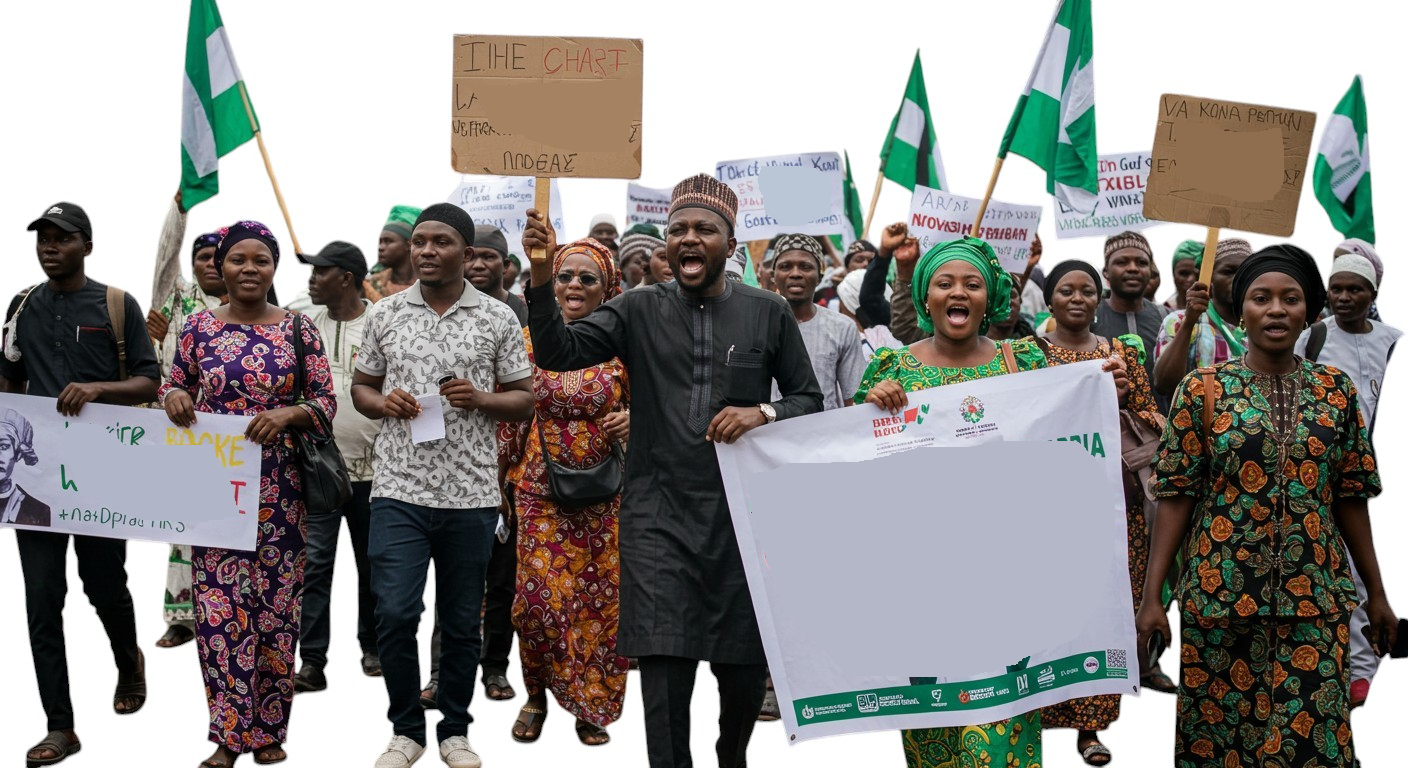
The Right of Nigerians to Criticize Their Government and Demand Accountability Introduction
Introduction Since gaining independence in 1960, Nigeria has experienced a complex interplay between governance and public criticism. Successive administrations have adopted varying approaches to address dissent, ranging from suppression to engagement, reflecting the nation’s evolving political landscape. Democracy thrives on the ability of citizens to voice their opinions, challenge their leaders, and demand accountability. In […]
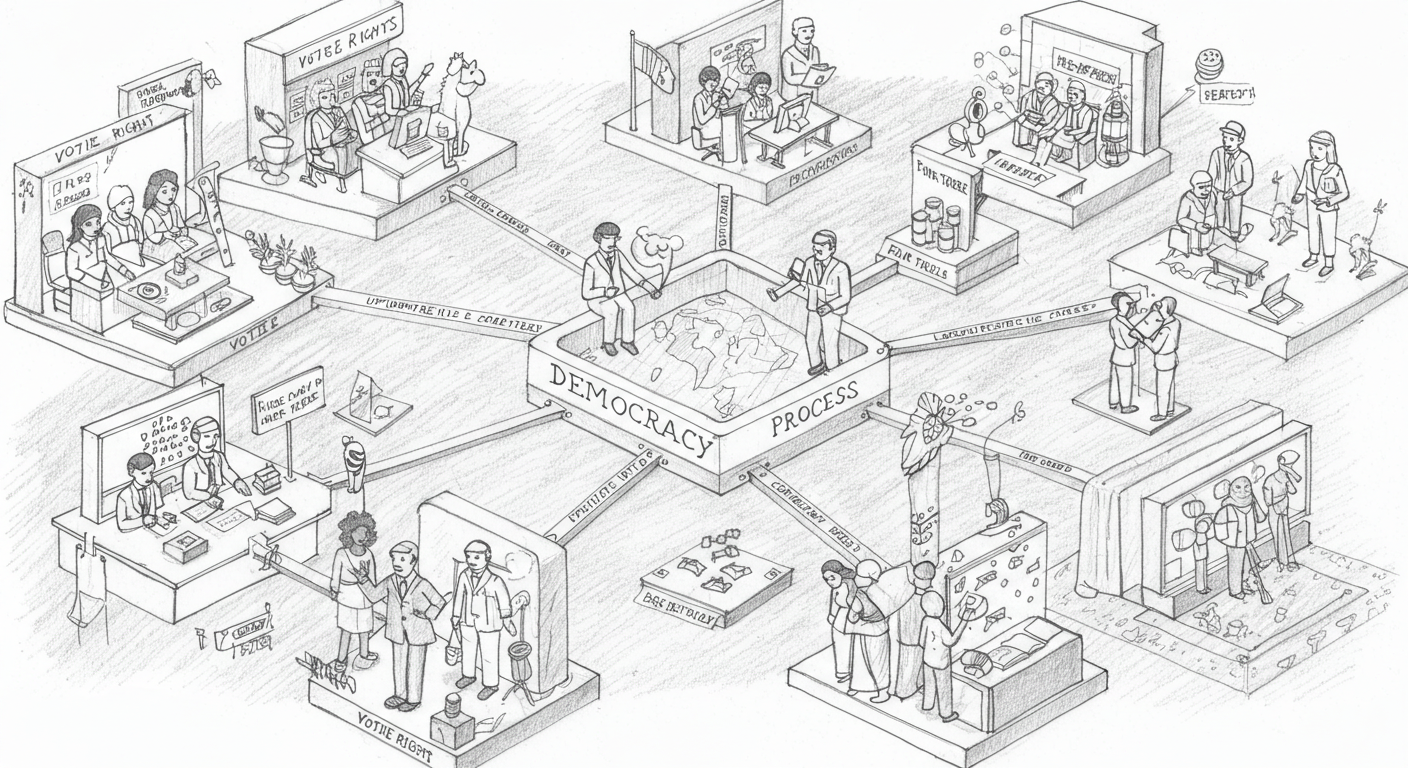
Consociational Democracy: A Model for Power-Sharing in Divided Societies
Introduction In multi-ethnic, multi-religious, or deeply divided societies, ensuring stable governance while protecting the rights of all groups is a challenging task. Consociational democracy, a concept developed by political scientist Arend Lijphart, offers a framework for managing such societies through power-sharing mechanisms. This system is designed to prevent conflict and promote cooperation among different social […]