
Constitutional Law
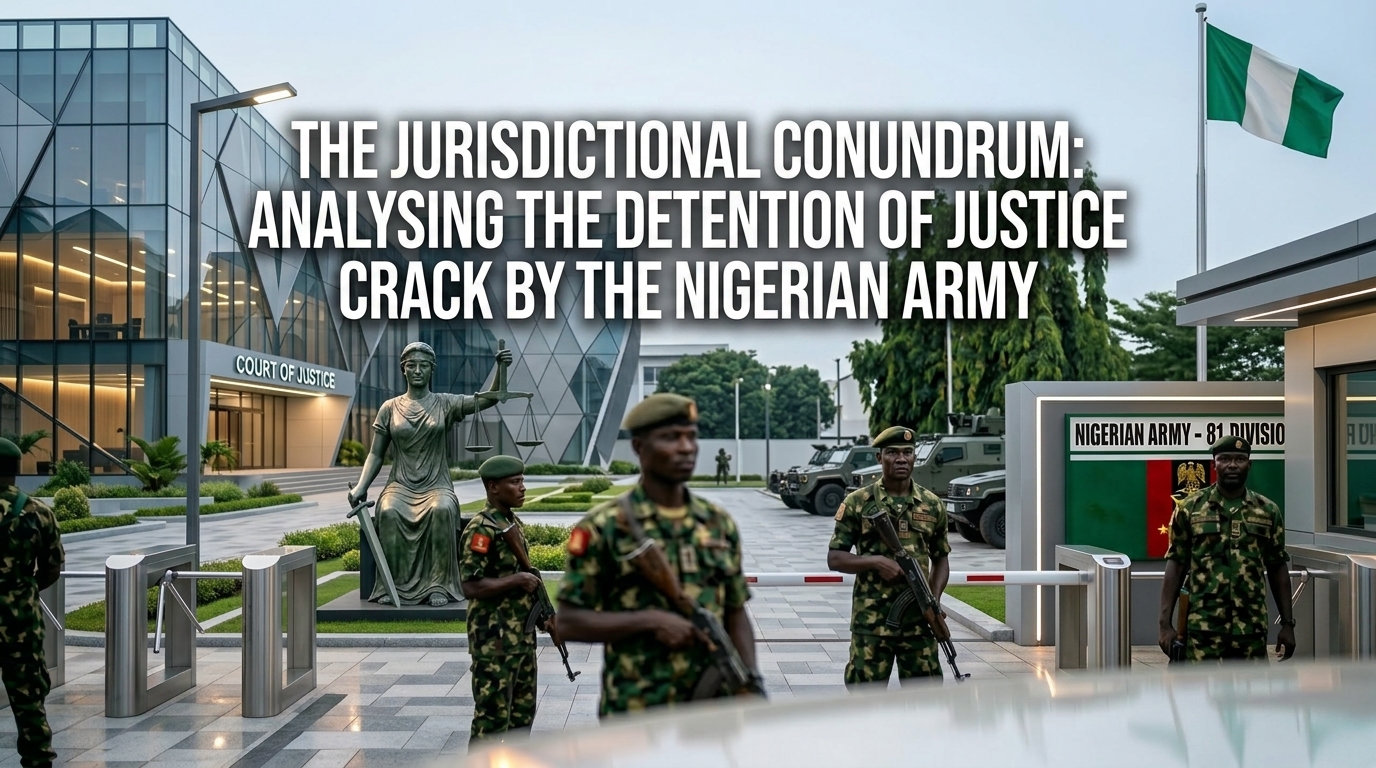
THE JURISDICTIONAL CONUNDRUM: ANALYSING THE DETENTION OF JUSTICE CRACK BY THE NIGERIAN ARMY
THE JURISDICTIONAL CONUNDRUM: ANALYSING THE DETENTION OF JUSTICE CRACK BY THE NIGERIAN ARMY Abstract The arrest and prolonged detention of Justice Mark Chidiebere, popularly known as “Justice Crack,” by the Nigerian Army in April 2026 has ignited a critical legal debate regarding military jurisdiction over civilians, the limits of free speech in the digital age, […]

Stop and Search in Nigeria: Between National Security and Civil Liberties
Introduction “Officer, what did I do wrong?” is a question countless Nigerians have asked when flagged down at checkpoints or stopped on the streets. In Nigeria today, stop and search operations—especially by the police and other security agencies—are a routine part of law enforcement. However, while these operations are intended to prevent crime and maintain […]

The Constitutional and Political Implications of Mass Defections to the APC in Nigeria
Abstract The recent surge in defections of high-profile political figures to the All Progressives Congress (APC), Nigeria’s ruling party, raises critical constitutional, legal, and democratic concerns. This article examines the legal framework governing defections in Nigeria, the loopholes exploited by defectors, and the broader consequences on political accountability, party democracy, and the rule of law. […]
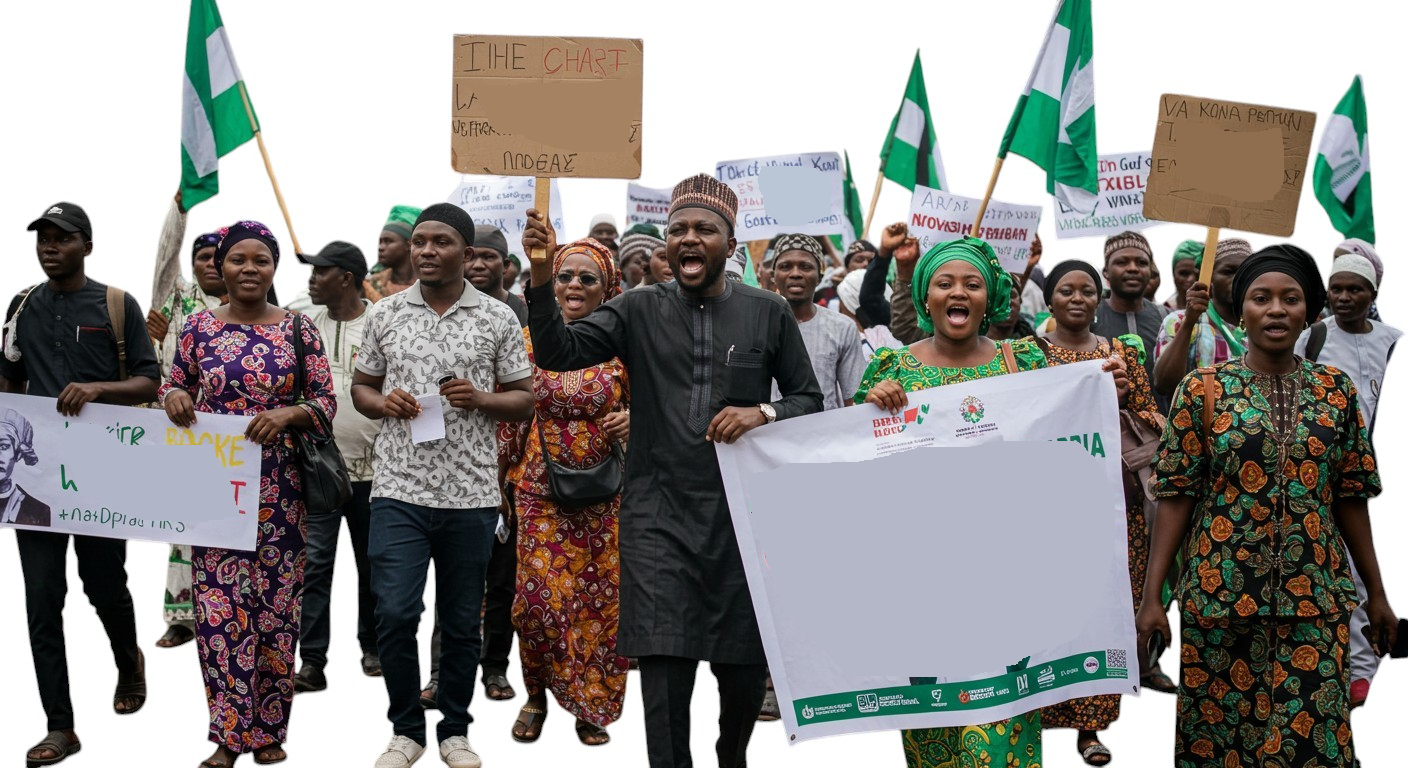
The Right of Nigerians to Criticize Their Government and Demand Accountability Introduction
Introduction Since gaining independence in 1960, Nigeria has experienced a complex interplay between governance and public criticism. Successive administrations have adopted varying approaches to address dissent, ranging from suppression to engagement, reflecting the nation’s evolving political landscape. Democracy thrives on the ability of citizens to voice their opinions, challenge their leaders, and demand accountability. In […]
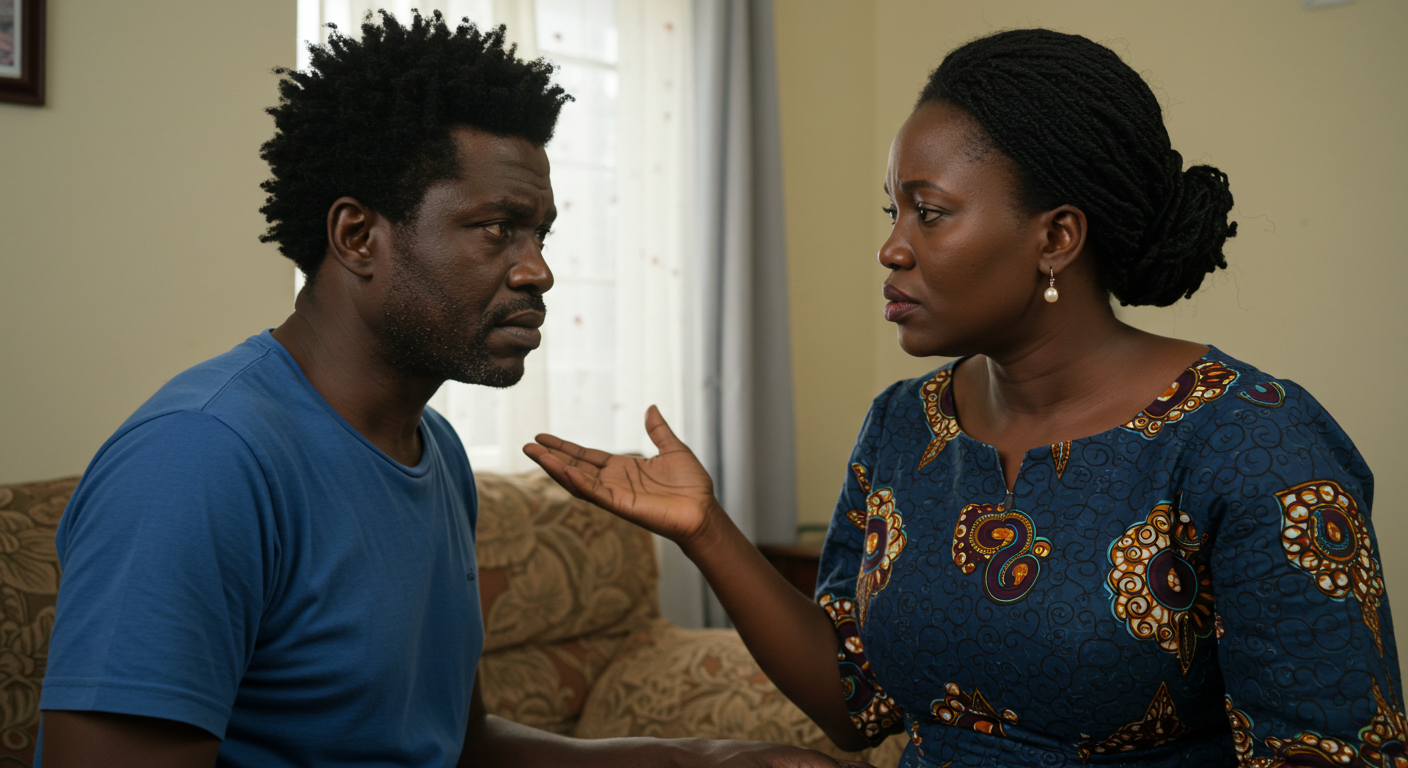
Understanding the Legal Status of Illegitimate Children Born to or During the Course of a Marriage in Nigeria
In Nigeria, the concept of illegitimacy remains a complex and often misunderstood area of family law. Rooted in customary, statutory, and Islamic law practices, the rights and legal status of children born out of wedlock—or during the course of a marriage but not biologically belonging to the husband—have historically been a source of debate and […]