
Desputes & Public Law

The Paradox of Knowledge, Power, and Influence: Why the Smartest Are Not Always in Control
In a world driven by information, it’s tempting to believe that intelligence or knowledge naturally leads to success, wealth, and leadership. But real-life observation tells a very different story. We often find that those who wield the most power; politicians, business magnates, or public figures are not necessarily the most intelligent, knowledgeable, or wise. Meanwhile, […]

Stop and Search in Nigeria: Between National Security and Civil Liberties
Introduction “Officer, what did I do wrong?” is a question countless Nigerians have asked when flagged down at checkpoints or stopped on the streets. In Nigeria today, stop and search operations—especially by the police and other security agencies—are a routine part of law enforcement. However, while these operations are intended to prevent crime and maintain […]

The Constitutional and Political Implications of Mass Defections to the APC in Nigeria
Abstract The recent surge in defections of high-profile political figures to the All Progressives Congress (APC), Nigeria’s ruling party, raises critical constitutional, legal, and democratic concerns. This article examines the legal framework governing defections in Nigeria, the loopholes exploited by defectors, and the broader consequences on political accountability, party democracy, and the rule of law. […]
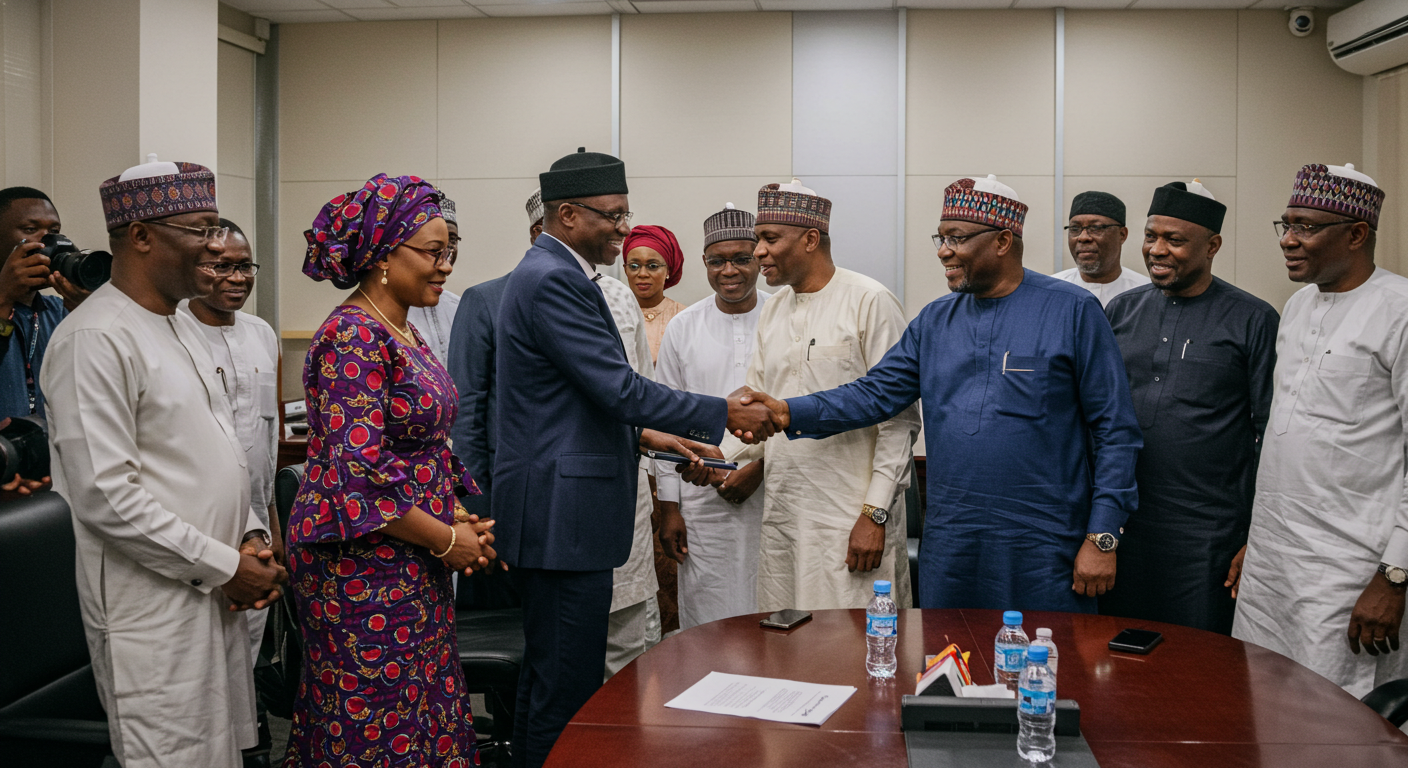
Defections Without Ideology: What the APC Wave Reveals About Nigerian Politics
In recent months, Nigeria has witnessed a fresh and growing wave of defections by prominent political figures into the All Progressives Congress (APC). From state governors and federal lawmakers to grassroots political influencers, the exodus from opposition parties into the ruling APC appears not just widespread but also strategic. While party-switching is not new in […]
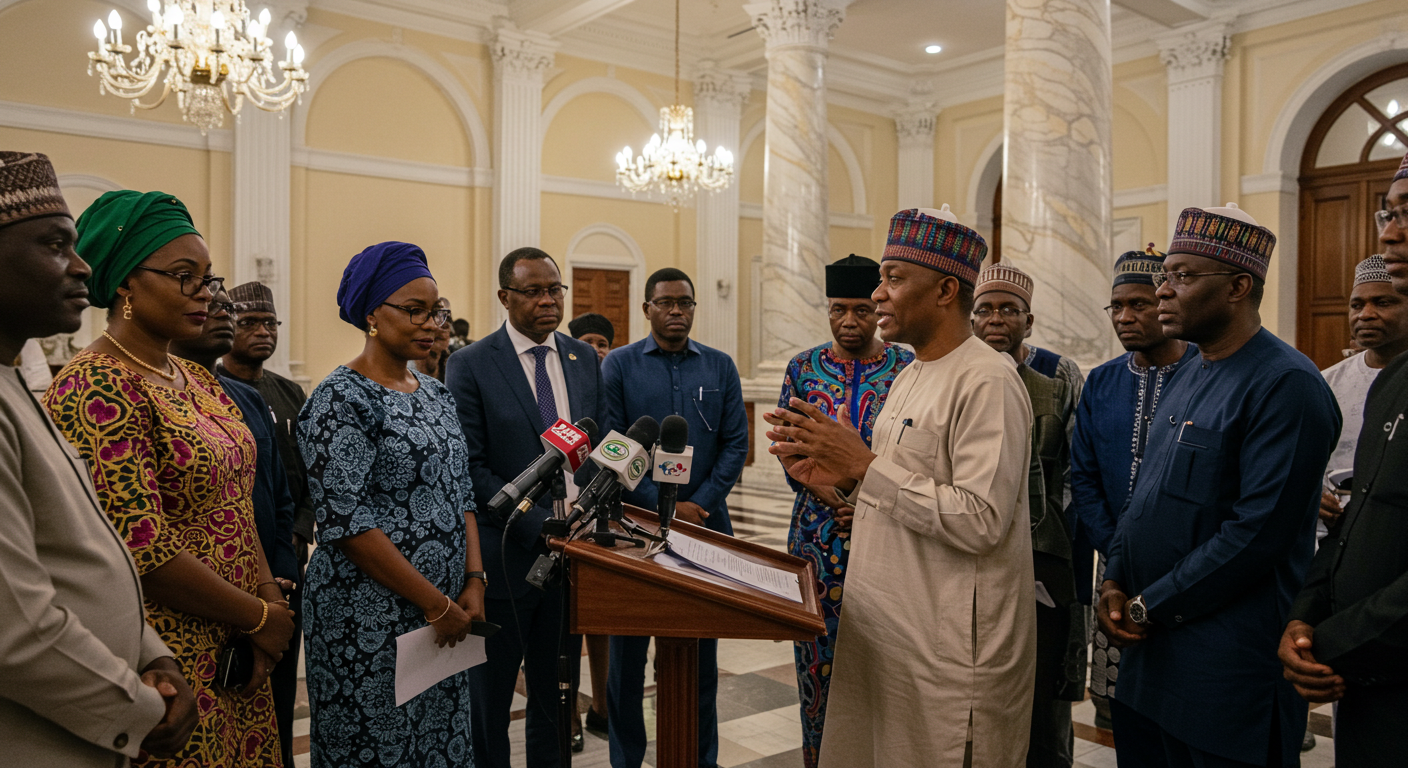
Can Nigeria Become Un-Corrupt?
Corruption in Nigeria has long been a pervasive and deeply rooted challenge, casting a shadow over governance, economic growth, and public trust. From inflated contracts and embezzled public funds to nepotism and electoral malpractice, corruption permeates virtually every sector. Yet the question remains: Can Nigeria become un-corrupt? While the journey is long and difficult, the […]